

Proposes ‘Runner-Up’ Model for Co-option of Women Advocates
NEW DELHI, May 22:
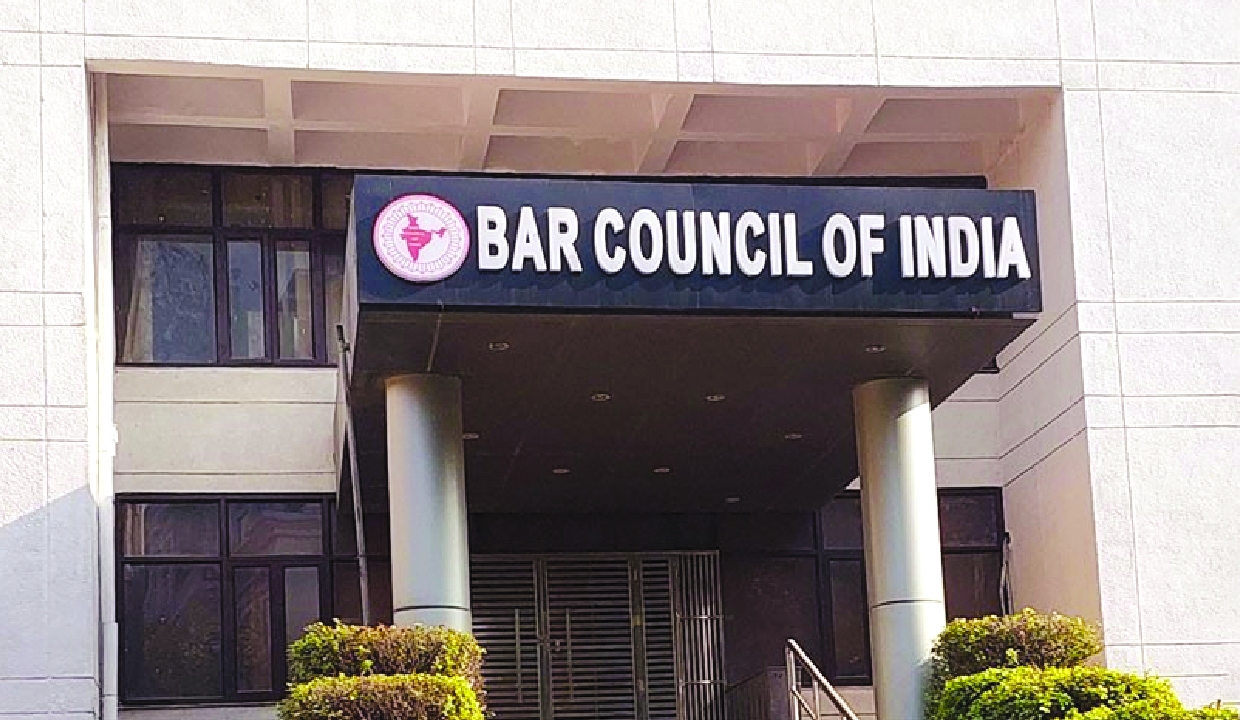
Bar Council of India has approached the Supreme Court of India seeking approval for a formula to fill seats reserved for women in State Bar Councils through a merit-based co-option process.
The proposal comes in continuation of the Supreme Court’s earlier direction mandating 30 percent reservation for women in State Bar Councils. Under the arrangement, 20 percent seats are to be filled through direct elections, while the remaining 10 percent are proposed to be filled through co-option.
According to the application filed by the BCI, women candidates who secured the highest votes but narrowly missed election should be co-opted against the additional quota seats. The BCI termed the mechanism “fair, objective and transparent,” stating that it would reduce chances of arbitrariness and favouritism.
The proposed formula suggests that:In councils with 25 elected members, women candidates placed at 6th and 7th positions would be co-opted.In councils with 20 elected members, candidates at 5th and 6th positions would be considered.In councils with 15 elected members, the candidate at 4th position would be co-opted.
The BCI told the court that the proposal respects the democratic mandate already expressed by advocates during elections while ensuring adequate representation of women in the legal profession.
The matter relates to the case M Vardhan vs Union of India, in which the apex court had earlier directed implementation of women’s reservation in State Bar Councils before the next round of elections. (KNC)