

Demands identification of fake journalists, accountability for digital news platforms and protection of genuine media professionals
Jammu, Oct 16th:
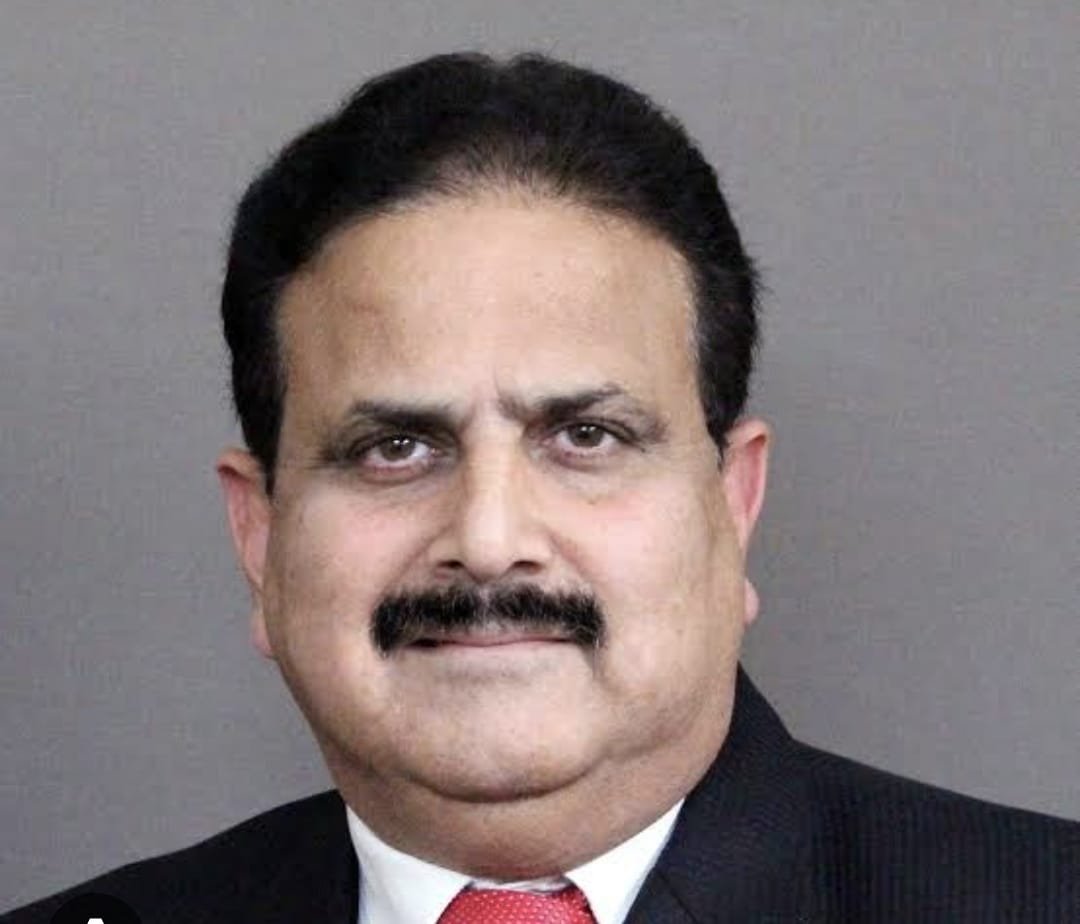
Ashwani Kumar, former President of the Press Club of Jammu and President of the Jammu and Kashmir Accredited Journalists Association( JAKAJA), has expressed serious concern over what he described as the declining standards of journalistic ethics in sections of the mainstream media and on social media platforms.
Referring to recent observations attributed to a former Chairman of the Press Council of India regarding the erosion of journalistic values in the country, Kumar said that the issue deserved urgent attention from media organisations, journalists’ bodies, the government and law-enforcement agencies.
He said journalism was a public service rooted in truth, fairness, independence, accountability and respect for human dignity. However, the growing tendency among certain individuals to misuse the identity of journalists for personal gains, intimidation and alleged blackmail was damaging the credibility of the entire profession.
Kumar said he was particularly concerned by reports that the Jammu Newspapers Editors Guild had raised the issue of certain individuals posing as editors, social-media content creators and self-styled journalists allegedly intimidating and blackmailing ordinary citizens in Jammu and Kashmir.
“Journalism is not a licence to threaten people, malign reputations or extract money by using the fear of adverse publicity. Anyone who uses a camera, microphone, social-media account or online news portal to intimidate people for personal or financial gain must face lawful scrutiny. Such conduct, if established, is a serious betrayal of public trust,” he said.
Ashwani Kumar pointed out that the Press Council of India’s Norms of Journalistic Conduct, 2022, explicitly state that journalists using any platform, including print, electronic or social media, to defame, harass or blackmail anyone are acting unethically.
He said the provision made it clear that professional ethics were applicable across media platforms and that the digital transformation of journalism could not be used as an excuse to disregard established standards of conduct. The Press Council’s norms also emphasise restraint, responsibility and self-regulation in the exercise of press freedom.
“The ethical line is clear. Journalism must serve the public interest, expose wrongdoing on the basis of evidence and give those facing allegations a fair opportunity to respond. It must never become an instrument of personal vendetta, coercion or extortion,” Kumar said.
Recalling his tenure as President of the Press Club of Jammu, Kumar said he had written to the then Governor of Jammu and Kashmir, Satya Pal Malik, and the police leadership, urging them to identify individuals operating as “fake journalists” and “self-styled journalists” who, he believed, were bringing disrepute to the profession.
He regretted that, to his knowledge, the representations did not result in the effective action he had sought.
Kumar said the issue was not new and had persisted because of inadequate verification, weak institutional accountability and the failure to establish a transparent mechanism for addressing complaints against persons misusing the journalistic identity.
He urged the present administration and police leadership to review the issue afresh, examine credible complaints and take appropriate action wherever evidence establishes intimidation, extortion, impersonation or other offences.
He stressed that any inquiry must follow due process and distinguish genuine journalists, freelancers and independent digital reporters from individuals who misuse the profession for unlawful purposes.
Kumar acknowledged that social media had democratised access to information and enabled independent reporters to highlight local grievances, expose public-service failures and give a voice to communities that might otherwise remain unheard.
However, he said the absence of editorial oversight on some digital platforms, the rapid circulation of unverified allegations and the pursuit of online attention had created serious challenges.
He said the distinction between responsible digital journalism and the unauthorised use of a media identity for intimidation needed to be addressed through public awareness, professional accountability and lawful enforcement.
“Every social-media content creator is not necessarily a journalist, just as every journalist is not required to work for a large media house. The real test is responsible conduct, verification of facts, transparency and accountability. No one should be harassed merely for being an independent journalist, but neither should anyone be allowed to exploit the profession as a shield for criminal conduct,” he said.
Kumar said concerns about media credibility, ethical standards and the growing number of individuals claiming journalistic privileges were part of a wider national debate.
He referred to the Press Council of India’s continuing role in prescribing standards for newspapers and news agencies, as well as the ethical framework applicable to publishers of news and current affairs under the Information Technology Rules, 2021.
He also noted that national media reports had highlighted concerns about the unregulated growth of social-media journalism in Jammu and Kashmir, including questions of editorial accountability and public trust.
Kumar said that the solution did not lie in suppressing independent voices or imposing arbitrary restrictions on legitimate reporting. Instead, authorities and professional organisations should develop transparent procedures for grievance redressal, verification of professional claims where legally relevant, and action against demonstrable wrongdoing.
Kumar urged the Jammu and Kashmir Government, the Information Department, police authorities and recognised journalists’ organisations to work together on a comprehensive framework to address complaints of journalistic misconduct.
He appealed to senior editors, media owners, press clubs and journalists’ associations to collectively discourage unethical practices and uphold the distinction between public-interest reporting and personal or commercial exploitation.
“Journalism is a public trust, not a private business of threats. A person who exposes corruption with evidence performs a public service; a person who threatens to publish damaging material unless paid, if the allegation is proved, commits an abuse that must be dealt with under the law. The two must never be confused,” he said.
Kumar said the time had come for a collective effort to restore public confidence in journalism, safeguard the rights of ordinary citizens and protect the professional dignity of those journalists who continued to work honestly, independently and courageously in Jammu and Kashmir.