

By: Mohd Rafique Rather
“Kath Ba’ath”, the public interaction programme initiated by the Peoples Democratic Party, has emerged as one of the most inclusive and participatory political outreach efforts in Jammu and Kashmir in recent years. Launched in a local hotel in Srinagar and followed by a major interaction on 21 December at the Jammu Club, the programme witnessed large and meaningful participation, particularly from the youth, with both young men and women actively engaging in the discussions. Presided over by former Chief Minister and PDP president Mehbooba Mufti, the organisers consciously ensured that participation from within the party was kept minimal, reinforcing the non-partisan and inclusive character of the initiative.
At a time when public faith in conventional political engagement has weakened and politics is often perceived as distant from everyday realities, Kath Ba’ath has succeeded in creating a rare space for open and honest dialogue between political leadership and society. Unlike routine political meetings confined to party cadres, the programme has drawn participation from people cutting across party lines, ideological positions, and social backgrounds, lending it the character of a genuine public forum rather than a political showpiece.
What distinguishes Kath Ba’ath is the remarkable diversity of voices it has brought together. Students, teachers, lawyers, young entrepreneurs, members of the business and commerce community, traders, professionals, intellectuals, religious representatives, and social groups have all actively participated in these interactions. Almost everyone who represents somebody—socially, professionally, intellectually, or economically has found space in these forums. This broad-based participation has transformed Kath Ba’ath from a party-driven exercise into a wider societal conversation on issues that deeply concern the people of Jammu and Kashmir.
For many participants, particularly the youth, Kath Ba’ath has offered a platform long denied to them. Young people have openly spoken about unemployment, lack of opportunities, shrinking democratic space, and uncertainty about their future. Teachers and intellectuals have raised concerns over the erosion of academic autonomy and the narrowing space for free thought, while traders and members of the business community have highlighted economic stagnation, policy uncertainty, and declining commercial confidence. Lawyers and civil society voices have spoken about rule of law, accountability, and democratic rights. The openness with which these issues were discussed has reinforced the perception that Kath Ba’ath is rooted in listening rather than lecturing.
A visible outcome of this sustained engagement has been the renewed political involvement of young people, many of whom had grown disillusioned with mainstream politics. Increasingly, youth participants are seen attaching their aspirations to the Peoples Democratic Party, viewing it as a platform that allows dialogue, dissent, and clarity of position. In a region where political alienation among young citizens has steadily grown, this reconnection carries significant political and social importance.
Kath Ba’ath has also reaffirmed the party’s firm and vocal stand on the special political position of Jammu and Kashmir and the protection of the rights of locals. These core political issues, which remain central to public consciousness, have been discussed openly and without ambiguity during the interactions. Participants have responded positively to this clarity, particularly in contrast to what many perceive as caution or evasiveness from other political formations.
Importantly, the platform has witnessed people themselves questioning the ruling National Conference regime on governance failures, rising unemployment, administrative inertia, and the widening gap between promises and delivery. These questions and criticisms have emerged organically from public interactions, reflecting widespread dissatisfaction at the grassroots level. In many ways, this people-driven critique aligns with and reinforces the PDP narrative, helping weaken the NC’s standing on the ground by exposing governance gaps through citizens’ voices rather than partisan rhetoric.
During these interactions, former Chief Minister and PDP president Mehbooba Mufti was also confronted with tough and pointed questions from participants. Rather than avoiding or deflecting these queries, she responded with reasoning, humility, and openness, motivatingly engaging with the audience. She candidly acknowledged that politicians at large have failed the people at various junctures and emphasised that mistakes must be admitted and corrected. Stressing the need for introspection and accountability, she sought the support of the youth of Jammu and Kashmir in shaping the erstwhile state towards peace, dignity, and progress, underlining that meaningful change requires collective effort and honest leadership.
The perception that the Peoples Democratic Party is in revival mode has gained momentum following the Budgam electoral win, which acted as a morale booster for workers on the ground. The victory infused fresh confidence into the organisation, encouraging cadres to reconnect with people and intensify grassroots activity. This renewed enthusiasm is visible in the seriousness with which leadership is engaging different sections of society and expanding organisational presence.
Kath Ba’ath also reflects a conscious strategic shift, with the leadership prioritising direct public engagement over symbolic politics. Senior leaders remain busy taking the party’s message to the grassroots, listening to feedback, and strengthening organisational structures at the local level. Simultaneously, the party is attempting to derive political advantage from what it describes as governance failures and unmet expectations under the current regime, crafting a counter-narrative that seeks to present PDP as a credible alternative.
In essence, Kath Ba’ath has grown beyond a routine outreach programme into a meaningful political process. Its significance lies not merely in participation numbers, but in the breadth of representation and seriousness of dialogue it has generated. By allowing people to speak and power to be questioned, the initiative has positioned the Peoples Democratic Party as a party seeking revival through dialogue, conviction, and sustained engagement with the people.
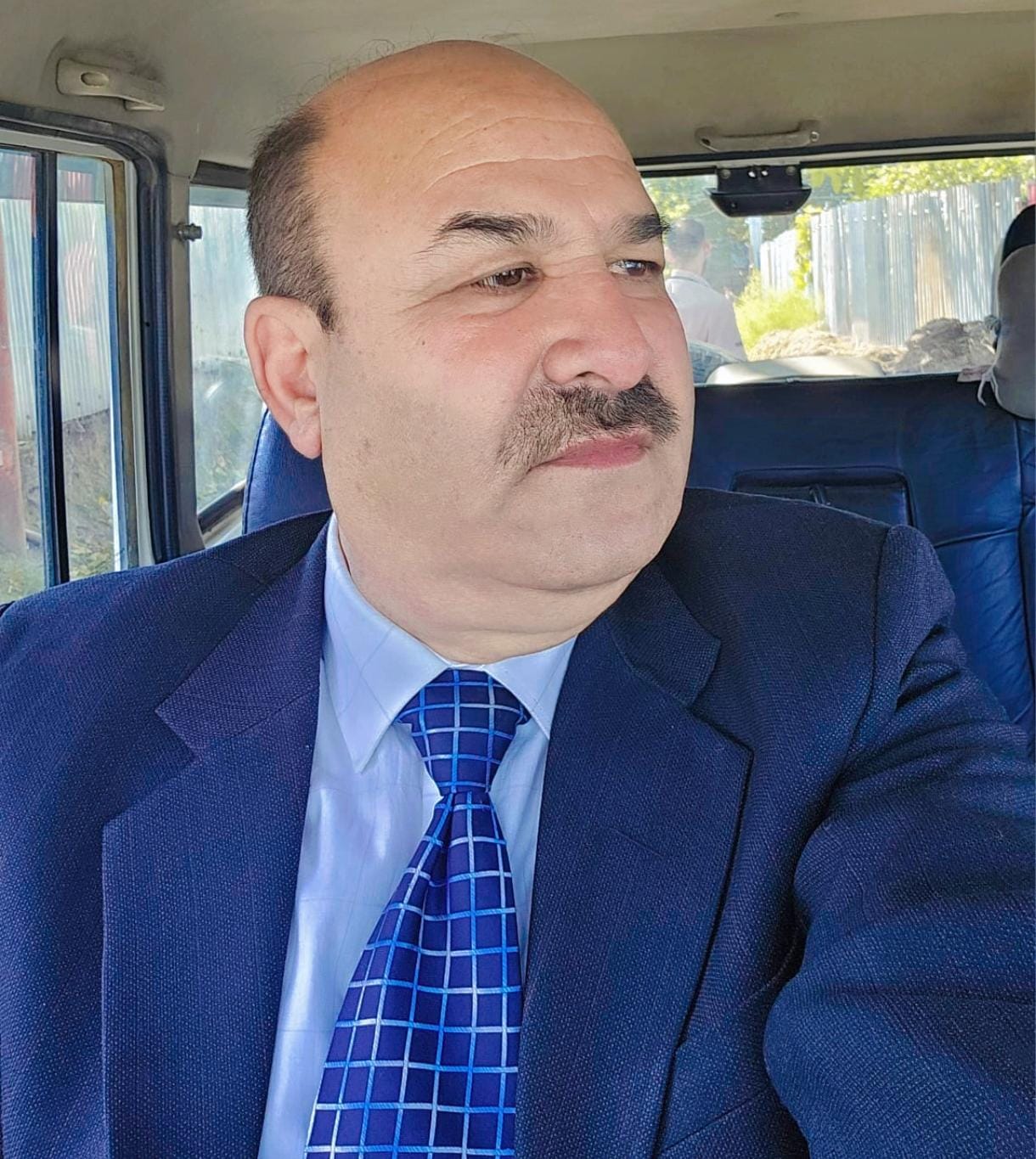
The author is a trade union leader turned politician, writer, and TV debater and can be reached at mrafiqr65@gmail.com.