

Peer pressure identified as leading factor; sleeping pills, morphine, cannabis among substances used
Jahangeer Ganaie
Srinagar, Jul 16 :
An alarming level of school-going adolescents are exposed to narcotics, prescription medicines and inhalants, with sleeping pills, morphine, cannabis, opium, nail polish remover, correction fluid, and other easily available substances emerging among those commonly recognised by students, a study conducted by a group of researchers has revealed.
The findings, accessed by the news agency—Kashmir News Observer (KNO), are based on an empirical study involving 3,100 students from Classes 9 to 12 across 20 secondary and higher secondary schools in Srinagar. These highlight growing concerns over substance abuse among adolescents and underscore the urgent need for school-based awareness campaigns, counselling services and preventive interventions.
Researchers observed that drug addiction has become one of the most serious social and public health challenges confronting Kashmir, with adolescents increasingly becoming vulnerable to experimentation despite sustained efforts by families, schools, religious leaders, and government agencies.
According to the report, cigarettes and other tobacco products were identified as the most commonly abused substances among adolescents. Nearly 54 percent of boys and more than 47 percent of girls recognised cigarette smoking as the most prevalent form of substance abuse. Among narcotic drugs, morphine emerged as one of the most widely recognised substances, followed by cannabis, opium, and shireh (opium extract).
The study also points towards a worrying increase in awareness about inhalants and commonly available household products being misused for intoxication. Nearly one-third of the girls surveyed identified chewing gum as a commonly abused substance, while 28.6 percent pointed to correction fluid and around 22 percent identified nail polish remover. Researchers also found that girls were aware of the misuse of Vicks VapoRub. Among boys, substances such as petrol, kerosene, spirit, and shoe polish were more commonly identified.
The report found considerable gaps in students’ understanding of the causes and long-term consequences of drug abuse. Less than half of the students in secondary schools demonstrated adequate awareness regarding the health, psychological, and social impacts of substance abuse. Awareness levels improved among higher secondary students, with nearly 68 percent of boys reporting understanding, while awareness among female students remained comparatively lower.
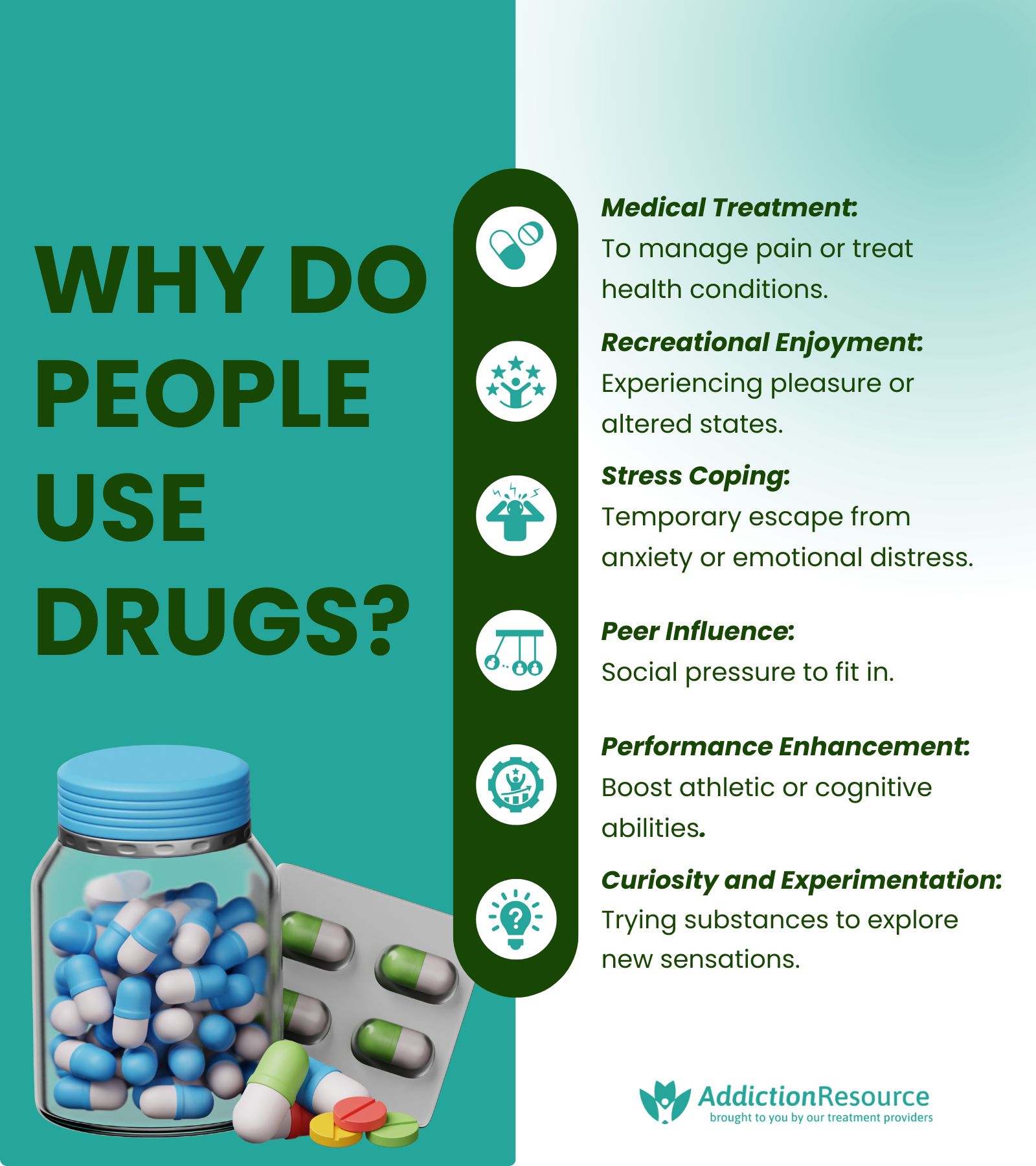
Researchers identified peer pressure as the single most important factor driving substance abuse among adolescents, followed by curiosity, thrill-seeking behaviour, emotional distress, and academic pressure.
Another significant concern is the lack of awareness about treatment and rehabilitation facilities. Nearly 69 percent of boys and 74 percent of girls reported that they were unaware of institutions or organisations offering de-addiction treatment, counselling, or rehabilitation services.
The study recommends introducing comprehensive drug education programmes within schools, strengthening counselling facilities, promoting life-skills education, actively involving parents and communities, and organising sustained awareness campaigns to prevent experimentation with drugs at an early age—(KNO)