

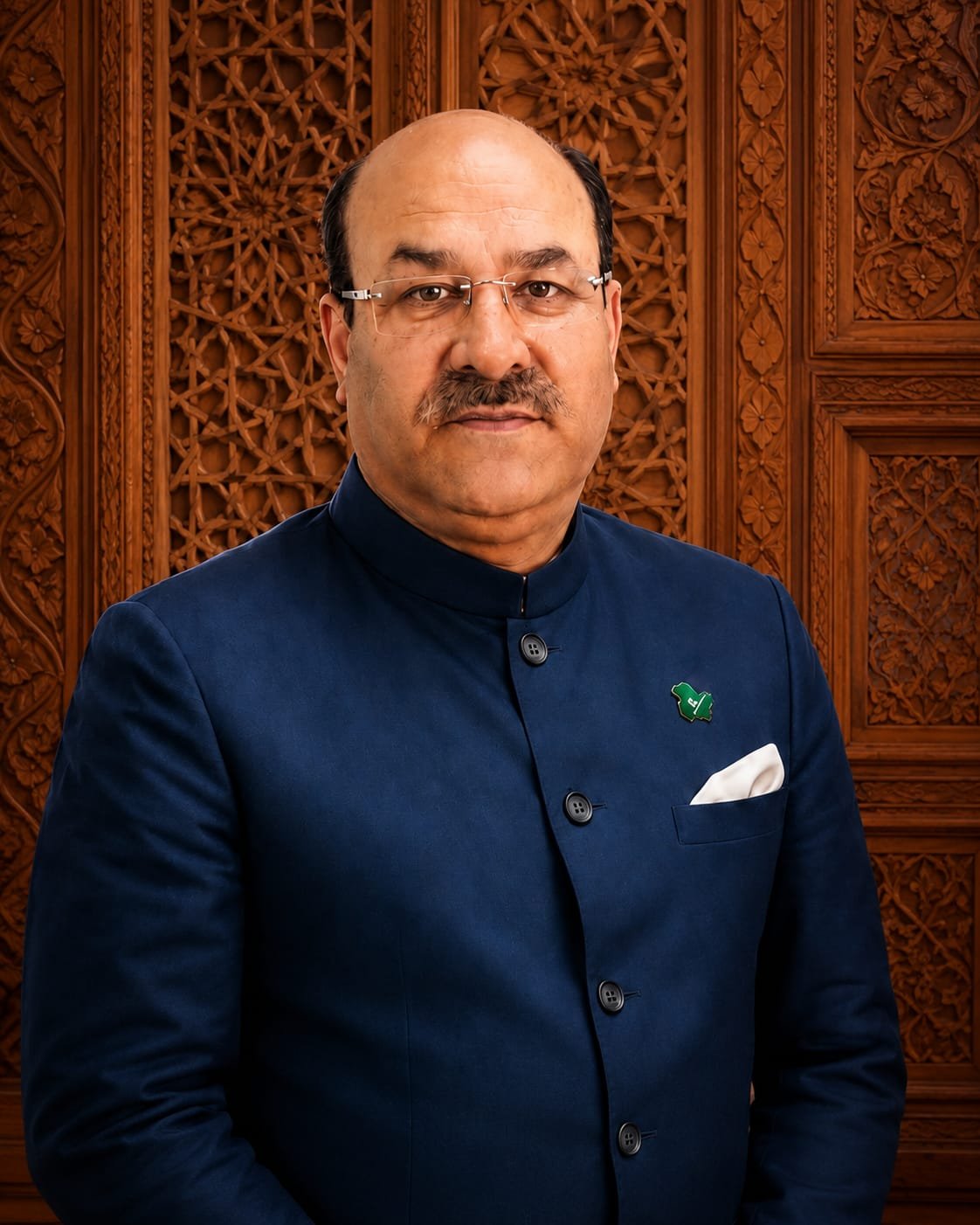
By Mohd Rafique Rather
The ongoing discussion surrounding the Teacher Eligibility Test (TET) for serving teachers in Jammu and Kashmir calls for a thoughtful response that recognises the realities of the teaching profession, the legitimate expectations of educators and the educational needs of our children.
Having spent more than three decades in teaching and over two decades representing the teaching community, I have witnessed the dedication, struggles and aspirations of teachers from close quarters. My association with the profession has taught me that educational policies must be framed with a proper understanding of classroom realities rather than through a narrow administrative lens.
Thousands of teachers have devoted the most productive years of their lives to educating children across Jammu and Kashmir. Many began their careers under recruitment conditions that did not prescribe TET as a qualification. They have since acquired years of practical experience, undertaken professional responsibilities and contributed to the development of generations of students.
Their circumstances cannot be examined as though they were entering the profession for the first time today. A teacher who has served for fifteen or twenty years has a professional history that deserves careful consideration. Any decision affecting such employees must account for the recruitment framework under which they entered service, their years of contribution and the legal provisions applicable to their cases.
As someone who has represented teachers for more than two decades, I firmly believe that their concerns must be addressed through meaningful consultation and a clear understanding of their service conditions. Long-serving educators should not be made to feel that their contribution has suddenly lost significance because eligibility requirements have changed.
Nevertheless, our commitment to teachers must be accompanied by an equally serious commitment to improving education. The question before us is not whether professional standards matter; they unquestionably do. The important consideration is how those standards can be strengthened without disregarding the circumstances of existing employees.
A qualifying examination can assess certain aspects of professional knowledge, but teaching involves much more than answering questions on paper. It requires the ability to explain difficult concepts, recognise different learning needs, manage classrooms, encourage curiosity and help students develop independent thinking. These capabilities demand knowledge, patience, practical judgement and continuing professional preparation.
The answer lies in combining a fair policy for serving teachers with a far more ambitious system of professional development.
Teacher training must not remain a formality undertaken merely to fulfil departmental requirements. It should become a serious, sustained exercise aimed at improving classroom performance. Regular refresher programmes, subject-based seminars, practical demonstrations and peer-learning initiatives can help educators examine their methods and discover more effective ways of teaching.
Such programmes must be designed around actual educational challenges. A mathematics teacher may need fresh approaches to explaining abstract concepts, while a language teacher may benefit from innovative reading and communication techniques. Teachers working with children who have different learning abilities require specialised guidance, and all educators need opportunities to understand emerging digital tools and contemporary assessment practices.
Training institutions should engage experienced educators in designing these programmes. Their classroom knowledge can help ensure that professional development remains relevant to the conditions in which teachers actually work. Periodic assessments of training outcomes should establish whether new skills are translating into better classroom engagement and improved student learning.
The government must also provide teachers with the facilities, resources and working environment necessary to put their training into practice. Professional expectations cannot be separated from institutional support. Vacant posts, excessive non-teaching assignments, inadequate infrastructure and overcrowded classrooms create difficulties that no training programme can resolve on its own.
Accountability, too, must be approached constructively. Teachers should remain committed to punctuality, preparation, ethical conduct and the academic progress of their students. In return, the administration must ensure transparent policies, accessible training opportunities and a fair mechanism for addressing professional grievances.
Regarding the present TET controversy, the government should engage with representatives of the teaching community and examine every legally permissible option available to address the concerns of affected employees. Any policy must conform to binding judicial directions and applicable law. Neither political statements nor emotional arguments can replace a workable and legally sustainable solution.
It is equally important to avoid creating an unnecessary divide between experienced teachers and those recruited under newer requirements. The education system benefits when professional experience and contemporary knowledge complement each other. Senior educators can mentor their younger colleagues, while younger teachers can share newer approaches to technology and pedagogy. Such cooperation can strengthen schools more effectively than mutual criticism.
Our children deserve teachers who are confident, capable and equipped to meet changing educational demands. Our teachers, in turn, deserve an administration that values their contribution, recognises their difficulties and creates genuine opportunities for professional advancement.
The TET debate should therefore become an occasion to reconsider how we support, train and empower our teaching workforce. A policy that disregards teachers’ service history risks creating avoidable insecurity; a system that neglects professional improvement risks failing its students.
My appeal is simple: safeguard the legitimate interests of serving teachers, resolve their concerns through a lawful and consultative process, and make high-quality professional training an enduring priority. The strength of Jammu and Kashmir’s education system will depend on our ability to uphold the dignity of educators while continuously improving the learning experience of every child.
The author is a trade union leader turned politician, a writer, Educationist and tv debater.
Can be reached at
mrafiqr65@gmail.com