

Srinagar , August,22 :
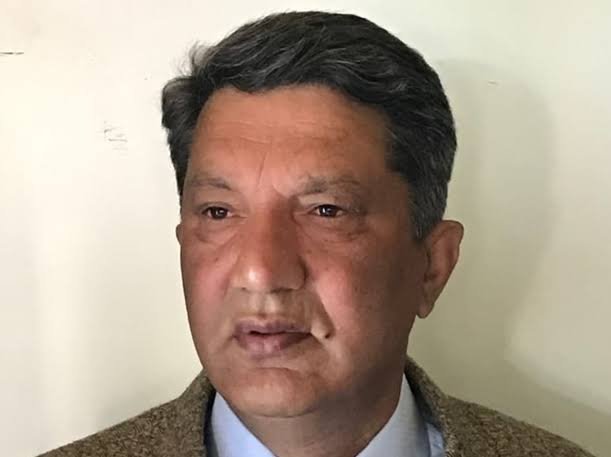
IN a press statement chairman jammu kashmir civil society forum and pensioners united front Ab Qayoom wani expressed his resentment over repeated claims of development, improved infrastructure and progress in the power sector, the decision to increase electricity tariffs by 6.83% from September 1 is deeply concerning and will impose another financial burden on the people of Jammu & Kashmir. Wani said
J&K is blessed with enormous hydropower potential and produces a significant amount of electricity. Yet, ordinary consumers continue to face frequent power cuts, curtailments, voltage fluctuations and inadequate supply, with maximum areas still struggling to receive dependable 24×7 electricity.
This tariff hike comes at a particularly difficult time.Unemployment remains a major challenge, businesses and small traders continue to struggle, household expenses are rising and the economic impact of years of uncertainty and disruption is still being felt across the region. For an ordinary family already finding it difficult to meet its monthly expenses, even a seemingly modest increase in an essential service adds to the burden.
Wani said that people of Jammu & Kashmir have already paid a heavy price through years of economic disruption, loss of livelihoods, unemployment and uncertainty. They cannot be expected to continuously bear the financial consequences of shortcomings in the power sector.
I strongly urge the Government to reconsider this tariff hike and take immediate steps to protect consumers from further financial hardship. The focus must be on improving generation and distribution, strengthening infrastructure, reducing transmission and distribution losses, ensuring transparent billing and, most importantly, providing reliable and uninterrupted power supply.
Development should be visible in the lives of ordinary people.
Wani said that people of J&K deserve affordable power, dependable supply and accountable governance—not ever-increasing bills for an essential service that remains unreliable in many parts of the region.